28 Jun 2010 | 1 comment » Bamyan, Nature, hazara, historical
Band-e Amir was to become Afghanistan’s first national park in the 1960s, but due to the instability of the Kabul government at the time, this did not happen. In 2004, Band-e Amir was submitted for recognition as a World Heritage site. In 2008, Band-e Amir was finally declared Afghanistan’s first national park.
08 Feb 2010 | no comments » Children, hazara, women
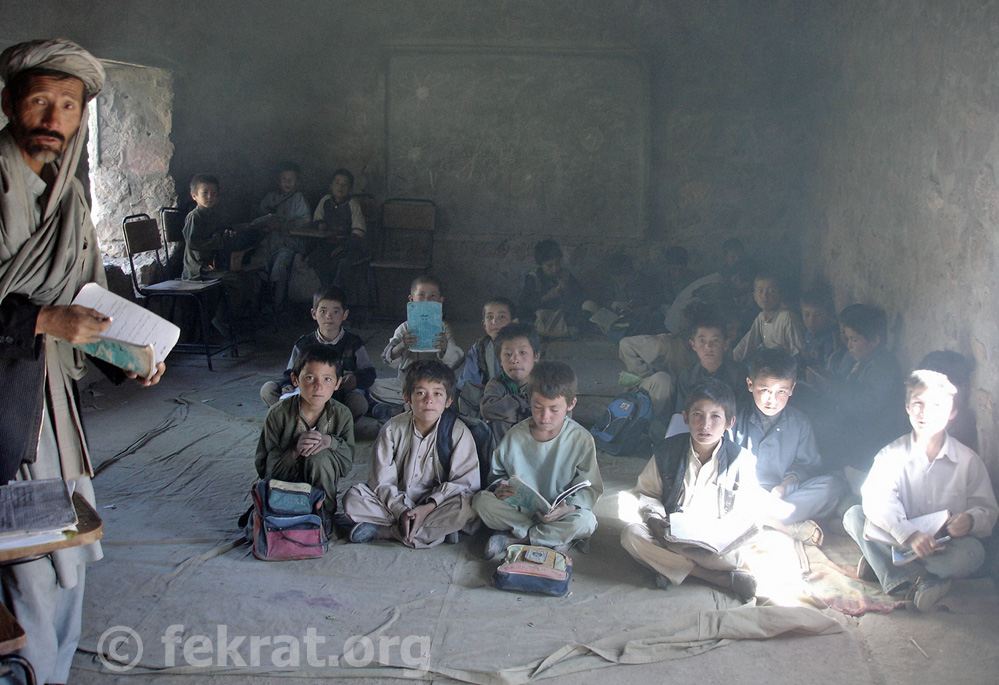
Education is a source of social and economic advancement as well as a vehicle for teaching children to be good citizens. She is a young girl in district of Sharestan (Shahrestan) province of Daikundi, who never had opportunity to go to school. For the last years, billions of dollars poured in Afghanistan but life in Hazarajat central part of Afghanistan never improved. Hazaras as a minority are almost forgotten. Estimates suggest that 30% of Afghan children are engaged in child labor, and discriminatory traditional practices make girls more vulnerable.
24 Jan 2010 | no comments » Children, hazara, people
Children in Behsud, Kajaw village, after Kochi (nomad) attacked and destroyed the plantation and burned the house of Hazaras, thousand of people became homeless. The people of the central Afghanistan have been victim of historical, institutional discrimination for over 100 years. Due to this systematic discrimination, this region is the least developed place in the country and their people are the poorest in Afghanistan. From 1889 to 1891, Abdur Rahman’s regime carried a genocide process against Hazaras in which 60% of Hazara population put to death and their lands have taken.