26 May 2011 | no comments » people
Despite being severely hampered by the central government, now Behsud residents face another major problem which could turn into an inter-tribal skirmish. Behsud is one of the most peaceful parts of Afghanistan but every year at this time, the nomads whom are ethnically Pashtun bring their flocks for grazing in the green pastures owned by Hazaras. For the past years the clashes left dozens of Hazaras dead, thousands displaced, thousands of Hazara houses were burned and looted. This year this story is happening again.
Click Image to Enlarge.
24 Jan 2010 | no comments » Children, hazara, people
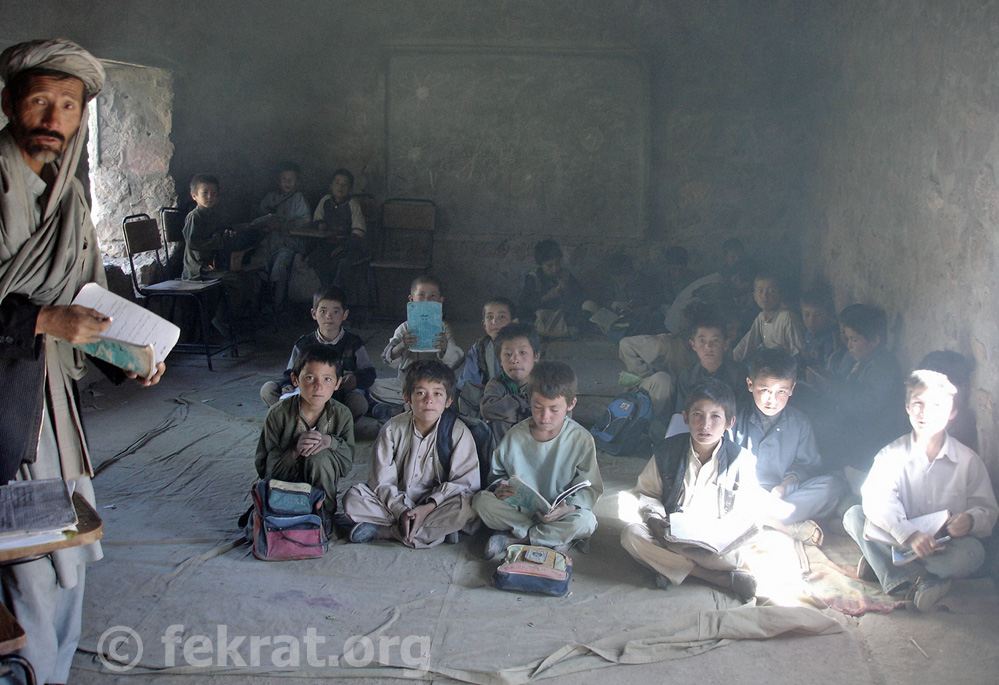
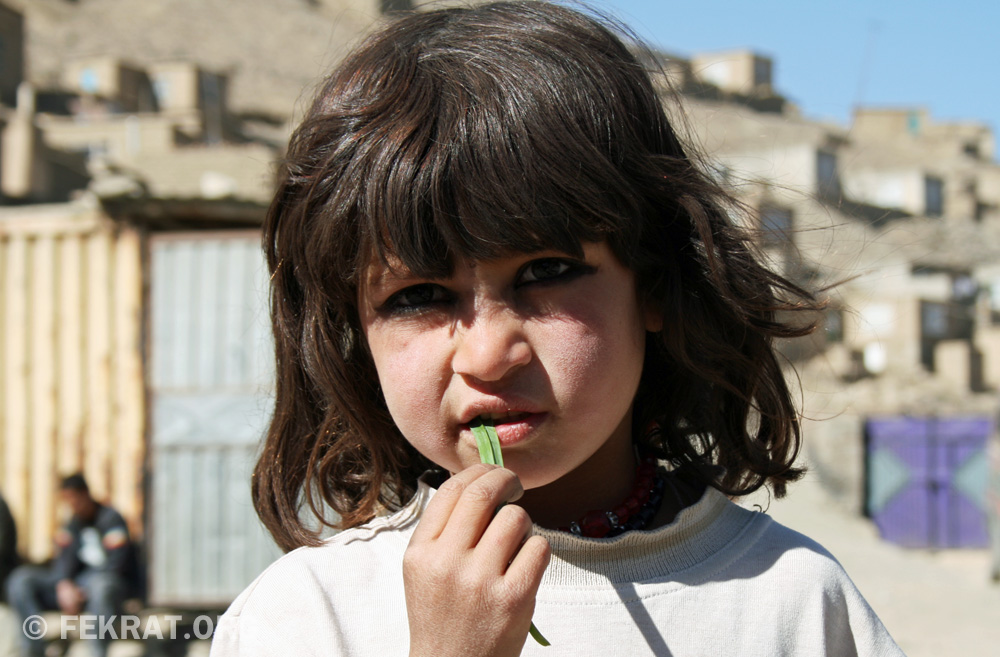
Children in Behsud, Kajaw village, after Kochi (nomad) attacked and destroyed the plantation and burned the house of Hazaras, thousand of people became homeless. The people of the central Afghanistan have been victim of historical, institutional discrimination for over 100 years. Due to this systematic discrimination, this region is the least developed place in the country and their people are the poorest in Afghanistan. From 1889 to 1891, Abdur Rahman’s regime carried a genocide process against Hazaras in which 60% of Hazara population put to death and their lands have taken.
08 Jan 2010 | no comments » people
This picture is taken in Balkh, (the birth place of Mawlana Jalalud-Din Balkhi) in Northern Afghanistan. I was assigned to photograph the birth place of Rumi and his school that had spent learning until he was 12 before he had left Afghanistan for Turkey. Donkey cart is used in rural areas normally by farmers where there is no proper road and transport system. Today, in major cities every type of car, bus, mini-van, horse cart and donkey cart can be found in the congested streets of Kabul.

05 Jan 2010 | no comments » people
Zebulon Simentov is a 50-year-old is believed to have become the last Jew in Afghanistan after the death of the caretaker of the only functioning synagogue in Kabul. It has emerged that the caretaker, Ishaq Levin, another Jew, aged about 80, died of natural causes. According to media around 5,000 Afghan Jews left the country after the creation of Israel in 1948, with others leaving after the 1979 Soviet invasion. Early biblical commentators regarded Khorasan as a location of the Ten Lost Tribes. Today, several Afghan tribes including the Durrani, Yussafzai, Afridi and Pashtun believe they are decedents of King Saul. They call themselves Bani-Israel, similar to the Hebrew, B’nai Israel, meaning the children of Israel. Even some Muslim scholars and writers accept this. In 2001, the Taliban stole all the synagogue’s supplies and the two Jews had to close their synagogue and leave the country. Worldwide Jewish organizations say that Jews have been in Afghanistan since the eighth century, mostly in Kabul and Herat. But in recent times many have emigrated to Central Asia and India.
04 Jan 2010 | no comments » people
Kabul City’s narrow streets that were built up more than three decades ago have fallen victim to the enormous traffic. With no traffics lights or signs, accidents and traffic jams constantly plague the population. After the expulsion of Taliban, thousands of people have bought cars with their new-found wealth, leading to hours-long traffic snarls on streets previously plied mainly by donkey, horse carts and bicycles.