08 Feb 2010 | no comments » Children, hazara, women
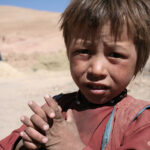
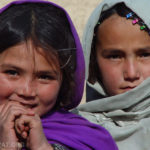
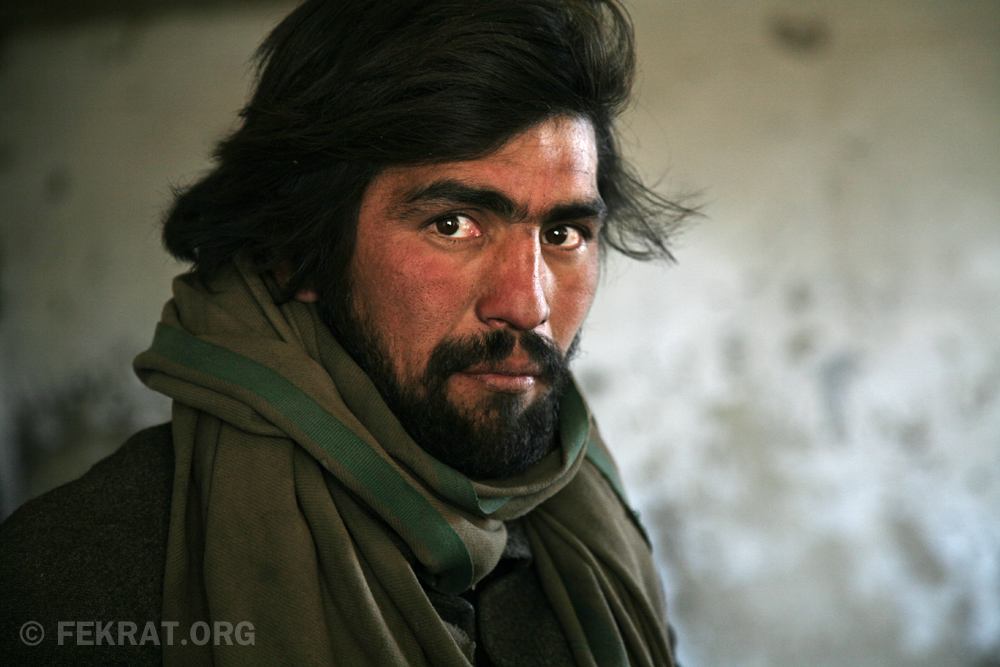
Education is a source of social and economic advancement as well as a vehicle for teaching children to be good citizens. She is a young girl in district of Sharestan (Shahrestan) province of Daikundi, who never had opportunity to go to school. For the last years, billions of dollars poured in Afghanistan but life in Hazarajat central part of Afghanistan never improved. Hazaras as a minority are almost forgotten. Estimates suggest that 30% of Afghan children are engaged in child labor, and discriminatory traditional practices make girls more vulnerable.
24 Jan 2010 | no comments » Children, hazara, people
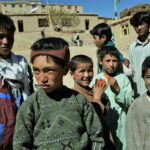
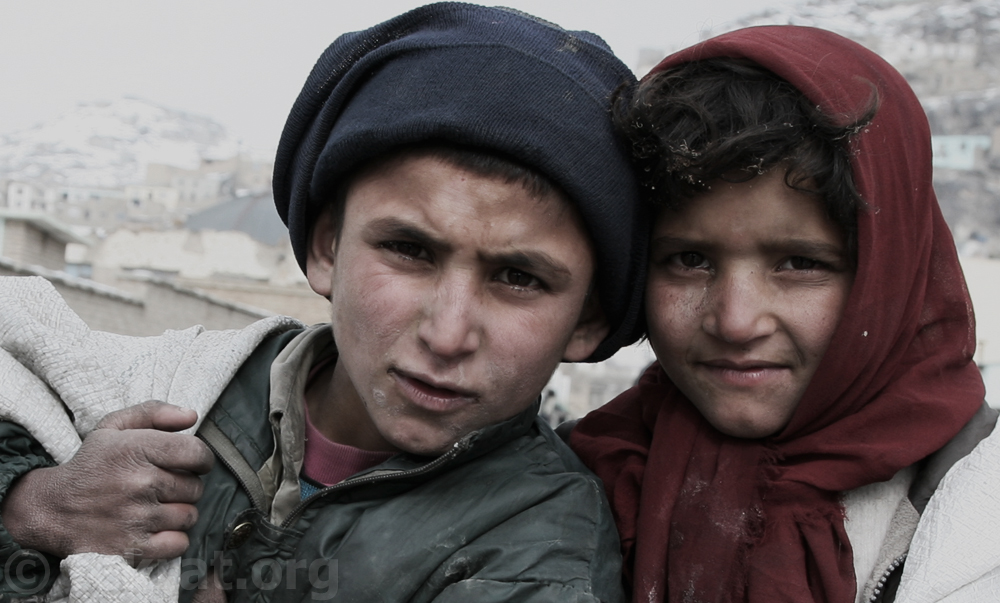
Children in Behsud, Kajaw village, after Kochi (nomad) attacked and destroyed the plantation and burned the house of Hazaras, thousand of people became homeless. The people of the central Afghanistan have been victim of historical, institutional discrimination for over 100 years. Due to this systematic discrimination, this region is the least developed place in the country and their people are the poorest in Afghanistan. From 1889 to 1891, Abdur Rahman’s regime carried a genocide process against Hazaras in which 60% of Hazara population put to death and their lands have taken.
19 Jan 2010 | 2 comments » Helmand
Helmand river is the longest in Afghanistan by the length of 1,150 km. the river rises from Hindu Kush and ends Hamun-i-Helmand in Sistan & Baluchistan province of Iran. One of the two primary arms of the river crosses through Lashkar Gah, imparting an attractive air of a riverside city to it. It makes for a pleasant setting for the citizens of Lashkar Gah to picnic. The river is deep enough at Lashkar Gah to allow for varied water sports, including swimming and boating. Boats are available for hire to the citizens.
27 Dec 2009 | no comments » Children
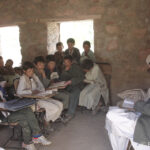
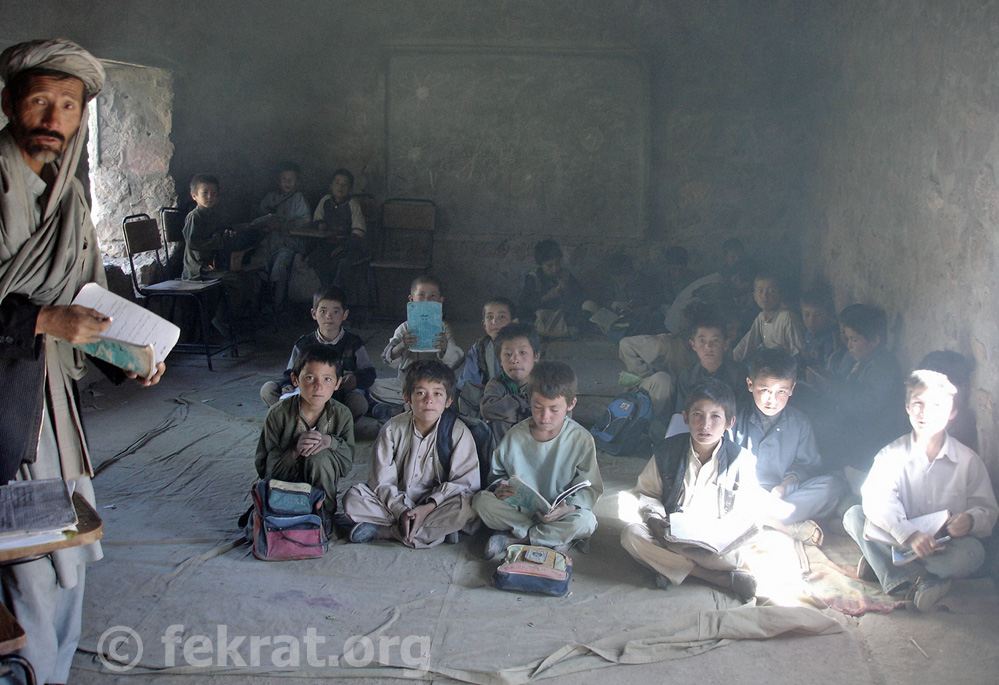
In 2007, Oxfam reported that some 7 million Afghan children — more than half of the country’s young people — do not go to school. In the same report, titled “Free, Quality Education For Every Afghan Child,” Oxfam notes a fivefold increase in school enrollments across Afghanistan since 2001. That means about 5 million Afghan children are now getting an education. But Oxfam warns that “poverty, crippling fees, and huge distances to the nearest schools” prevent many parents from sending their children to get an education.
10 May 2009 | 1 comment » Bamyan
The so called Red City (Shahr-i-Zahak) is located about 17 km from Bamiyan. The three-tiered Red City – a fortress of sun-dried red clay from the 3rd century BC - clings to a cliff 1,500 feet above above the entrance to the Bamiyan Valley. The Red City was never rebuilt after attack in 1221 and nowadays you can see only the ruins of the Red City.