Heroin addict

02 Oct 2011 | no comments » Drug

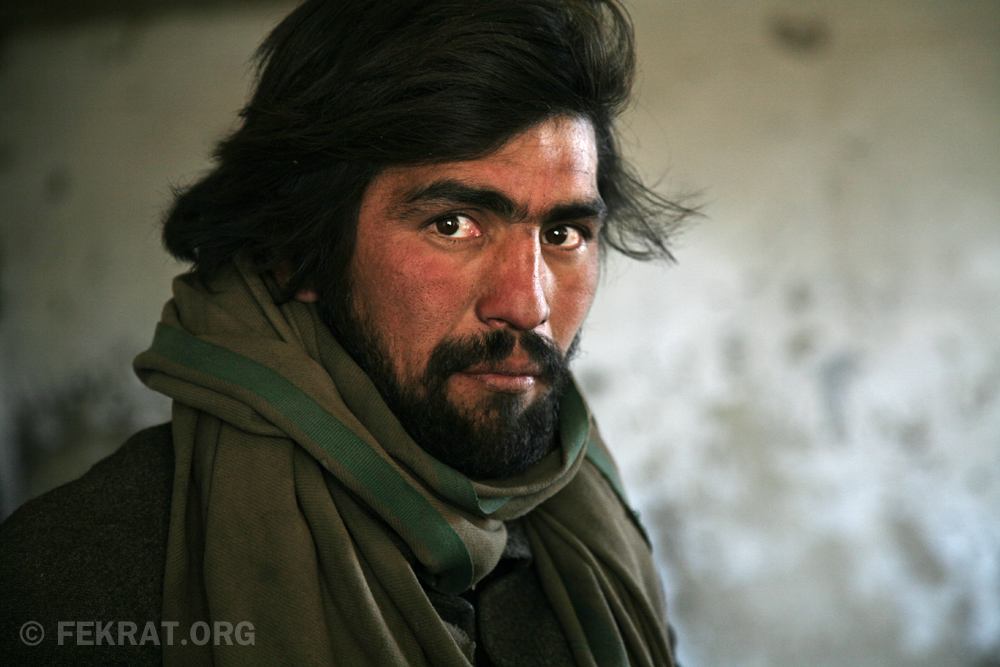
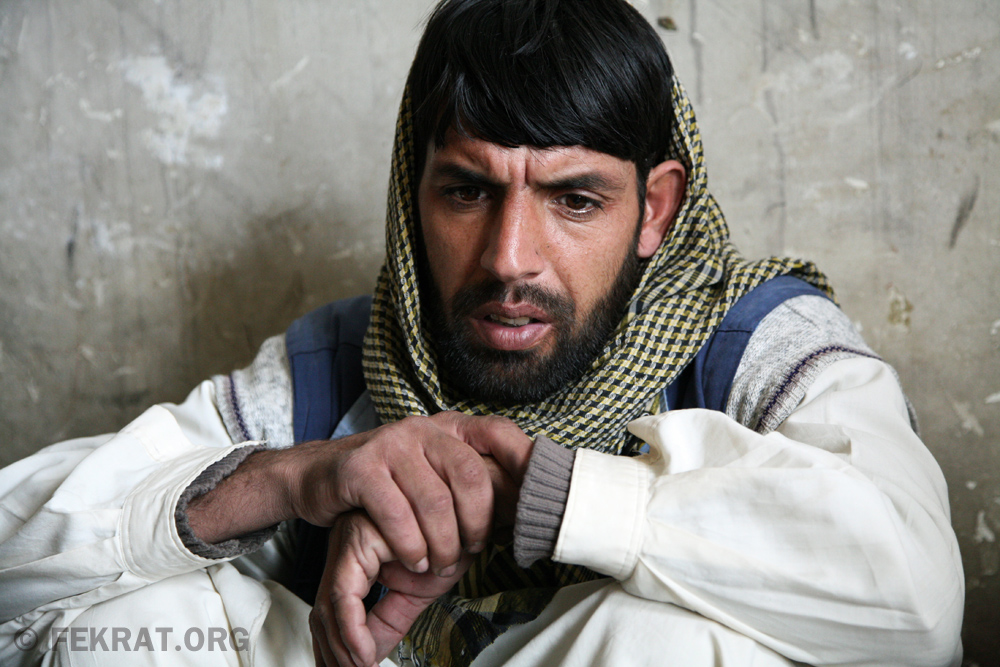
A U.S. Department of State report in 2009 estimated there are two million drug users in the country with at least 50-60,000 drug addicts in Kabul alone. Curbing the cultivation of opium poppies, which are used to make heroin, is the goal of a U.S. program that has doled out $80 million (54 million euros) since 2007. That includes the $38.7 million (26 million euros) the U.S. announced it is giving to 27 of Afghanistan’s 34 provinces that either reduced poppy cultivation by more than 10 percent or became poppy-free this year.

Click Image to Enlarge.

Drug: Afghanistan’s Silent Enemy

26 Mar 2010 | no comments » Drug

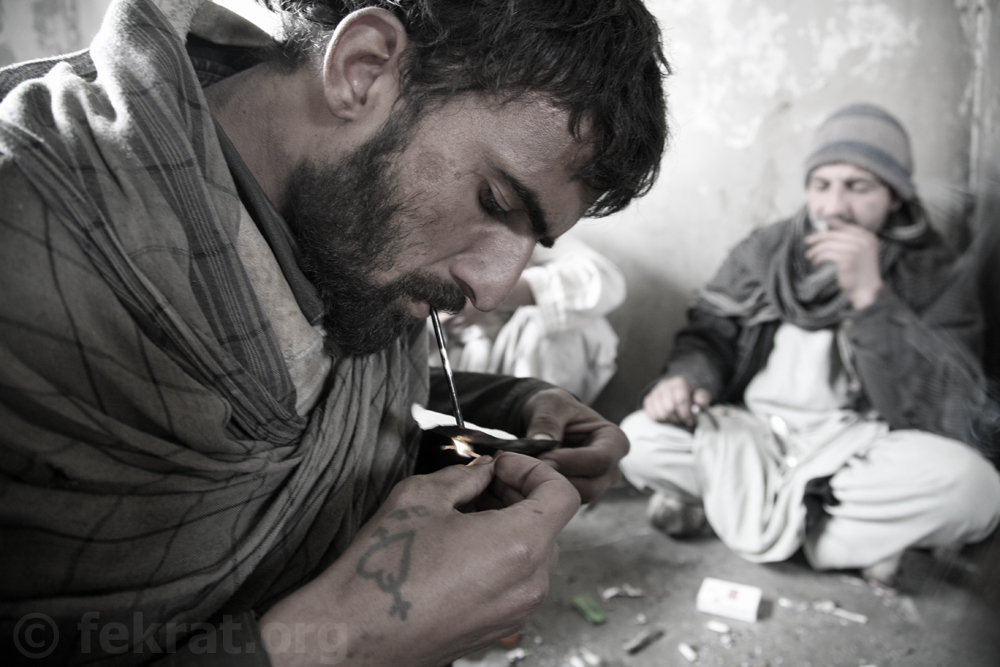
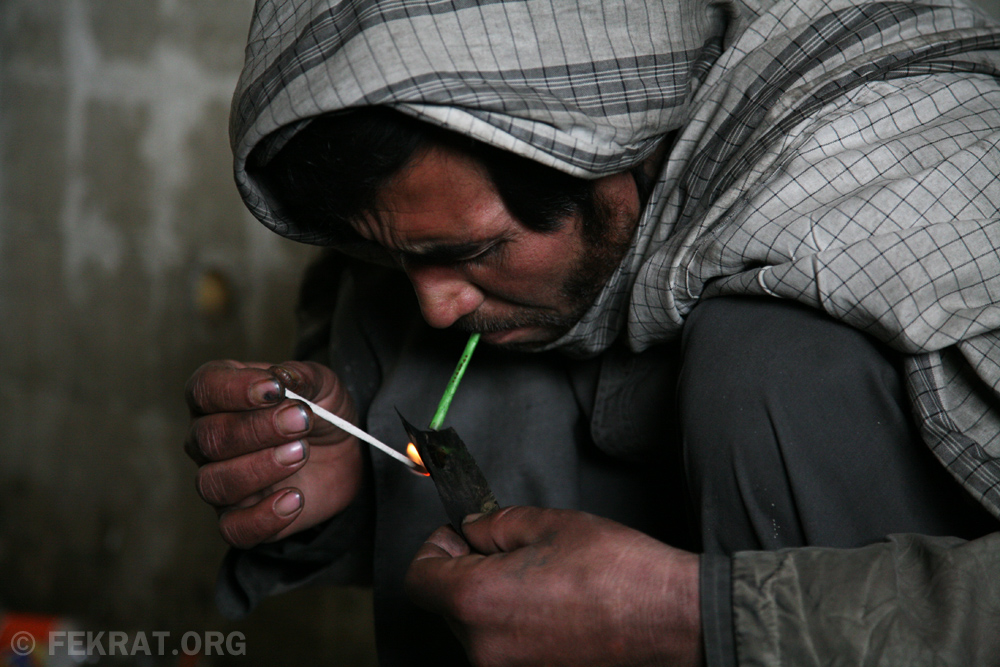
In this photo taken December. 22, 2008, a man inhales heroin in the abandoned Russian Cultural Center in Kabul, Afghanistan. The former cultural center is inhabited by drug users, despite being badly damaged by war. A U.S. Department of State report in 2009 estimated there are two million drug users in the country with at least 50-60,000 drug addicts in Kabul alone. Curbing the cultivation of opium poppies, which are used to make heroin, is the goal of a U.S. program that has doled out $80 million (54 million euros) since 2007. That includes the $38.7 million (26 million euros) the U.S. announced it is giving to 27 of Afghanistan’s 34 provinces that either reduced poppy cultivation by more than 10 percent or became poppy-free this year.

Afghanistan is, as of March, 2008, the greatest illicit (in Western World standards) opium producer in the world, before Burma (Myanmar), part of the so-called “Golden Crescent”. Opium production in Afghanistan has been on the rise since the downfall of the Taliban in 2001. Based on UNODC data, there has been more opium poppy cultivation in each of the past four growing seasons (2004–2007) than in any one year during Taliban rule.

Over 1 million addicts

29 Dec 2009 | no comments » Drug

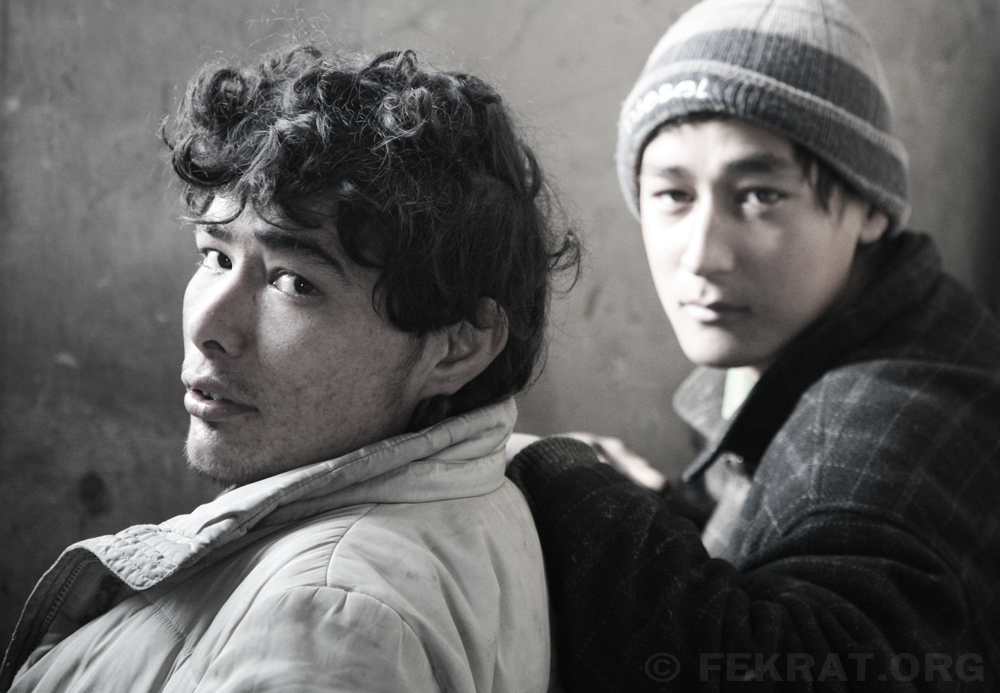
A young man who was repatriated from Turkey while he was intend to cross the border to reach Europe. After spending several months in prison in Turkey he repatriated to Iran border and Iranian police border caught him and put him jail. After 6 months he repatriated to Afghanistan. He became addicted in Iran and now he is in Russian Cultural Palace among hundreds of other addicts who wriggling with their wounded bodies in the darkness of corridors. These addicts who are staying inside the Russian Cultural Palace told that they became addict in Iran. According to the U.N., there are a million Afghan drug addicts. But the actual number is at least double that with, women and children make up a quarter of those addicts. Afghanistan, the world’s largest producer of opium, is drowning in a troubling sea of its own making. While the country’s narco-traffickers ship vast quantities of the drug to Europe and the United States, enough of it stays behind to offer a cheap and easy temptation to the people at home. At left, addicts inside the old Soviet Cultural Center. Addiction in Afghanistan has risen along with the country’s opium production, which is now cranking at something close to fever pitch. With much of its society and many of its institutions ruined by 30 years of fighting, Afghanistan produces more than 90 percent of the world’s opium. Profits from the drug sales feed the Taliban insurgency.

Addiction

05 May 2009 | 1 comment » Drug

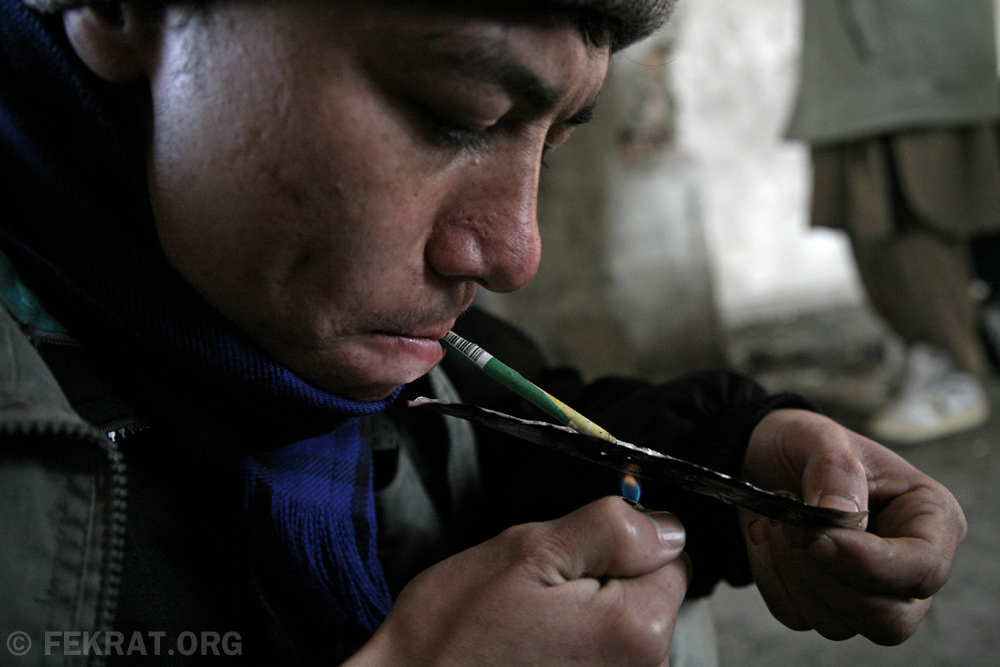
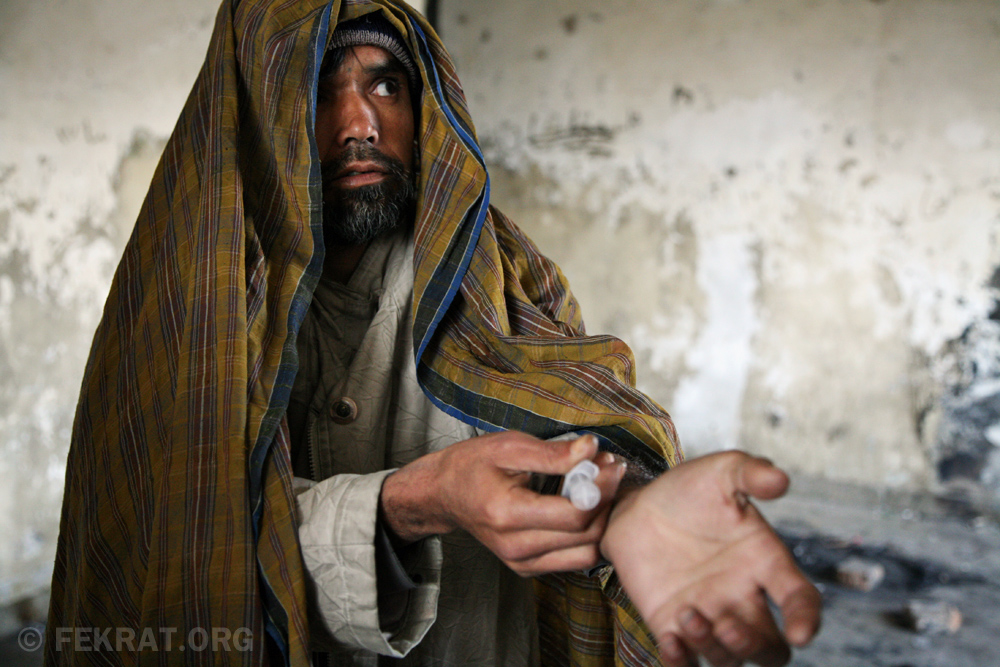
A heroin addict in Russian Cultural palace which is ruined by the civil war and today is used a shelter for drug addicts. Today, there are more than 1.2 million addicts in Afghanistan.

Drug addicts

05 May 2009 | no comments » Drug

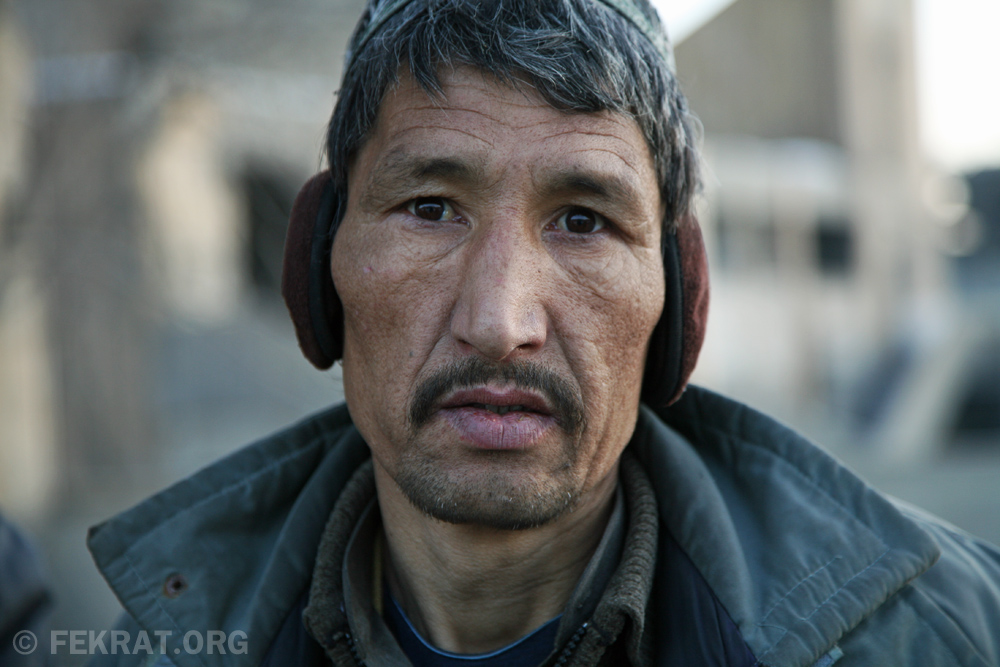
today one million of people are addicted to drug out of 30 million population, for example 1 from 30.