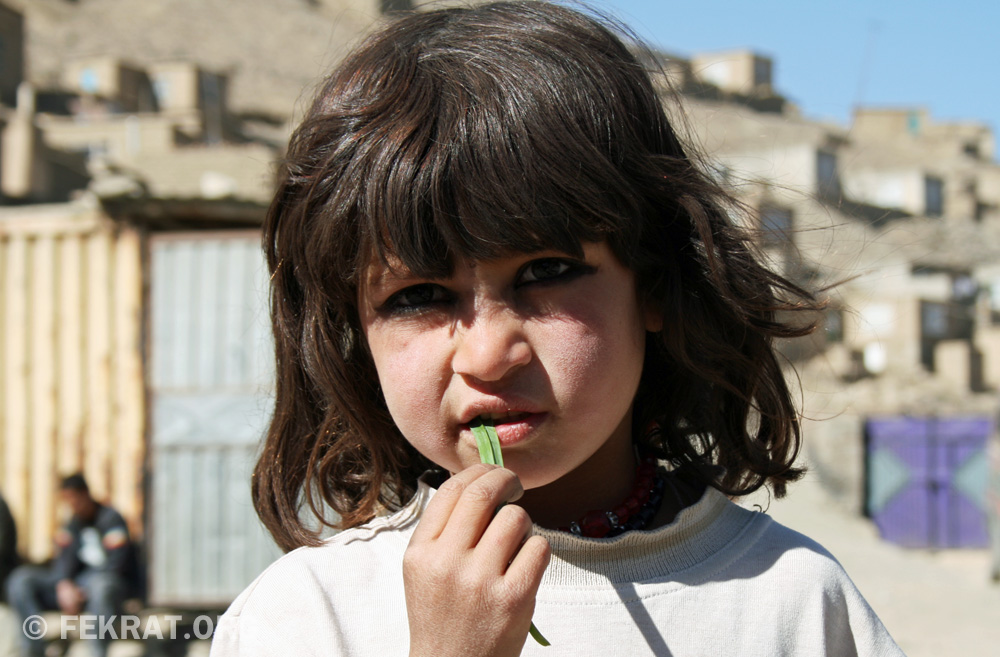
04 Nov 2011 | no comments » Children
UNICEF says more than 30 percent of children of elementary-school age are working on the streets in Afghanistan and are often their family’s sole breadwinners. That means that millions of children are not going to school. Child labor in Afghanistan is also rampant, with many impoverished families selling their kids into forced labor, sexual exploitation, and early marriage. UN says a total of 1,396 children were killed or maimed (486 killed & 910 maimed) in 2010. This is a 35% rise compared to 2009, mainly owing to an increase in indiscriminate methods of warfare and asymmetric attacks by armed groups.
Click Image to Enlarge.
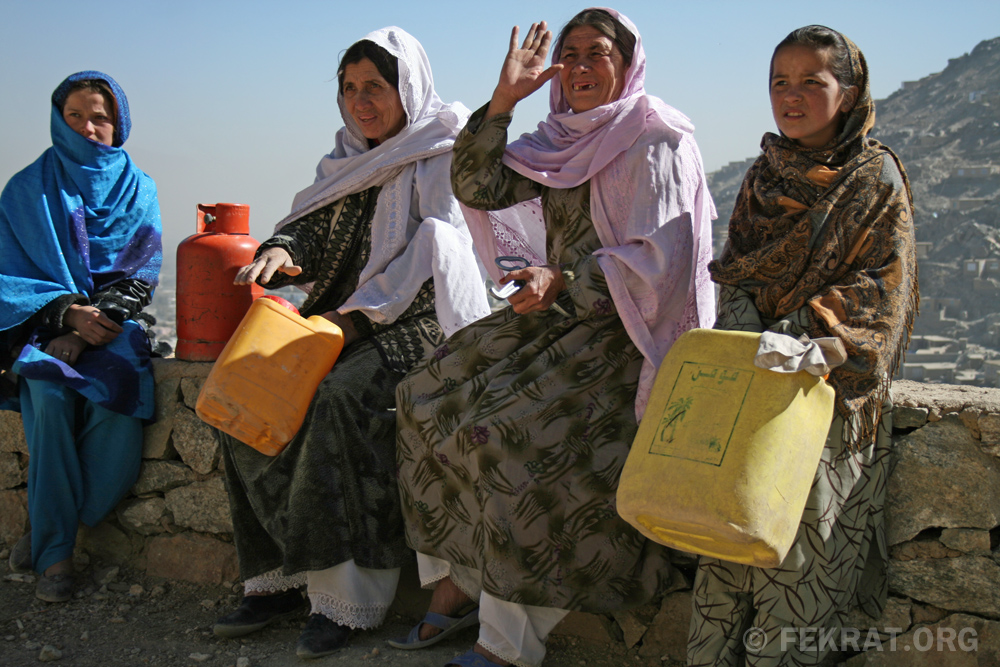
30 Oct 2011 | no comments » women
During the Taliban regime women were locked up in at home, they were not allowed to go out for shopping or work in the public places. Since the fall of the Taliban in late 2001, many would agree that the political and cultural position of Afghan women has improved substantially. Today, Afghan women have a predominant presence in the Afghan political domain. According to UN, women represent almost 28% of Afghanistan’s National Parliament, 9% higher than the world’s average of women in parliament.
Click Image to Enlarge.
02 Oct 2011 | no comments » Drug
A U.S. Department of State report in 2009 estimated there are two million drug users in the country with at least 50-60,000 drug addicts in Kabul alone. Curbing the cultivation of opium poppies, which are used to make heroin, is the goal of a U.S. program that has doled out $80 million (54 million euros) since 2007. That includes the $38.7 million (26 million euros) the U.S. announced it is giving to 27 of Afghanistan’s 34 provinces that either reduced poppy cultivation by more than 10 percent or became poppy-free this year.
Click Image to Enlarge.
19 Sep 2011 | no comments » people
The Shrine of Hazrat Ali, the Fourth Caliph of Islam is home to thousands of white pigeons considered to be sacred. The spot is said to be so holy if a gray pigeon should join the flock it will become white in 40 days. Feeding these birds brings good fortune. Afghan families are traveling from different part of the country to go to the Shrine of Hazrat Ali for pilgrimage. This photos is a Grand Prize Winner and was selected as one of the best photographs among other photos in a photo contest called “Why Afghanistan Matters” organized by NATO.
Click Image to Enlarge.

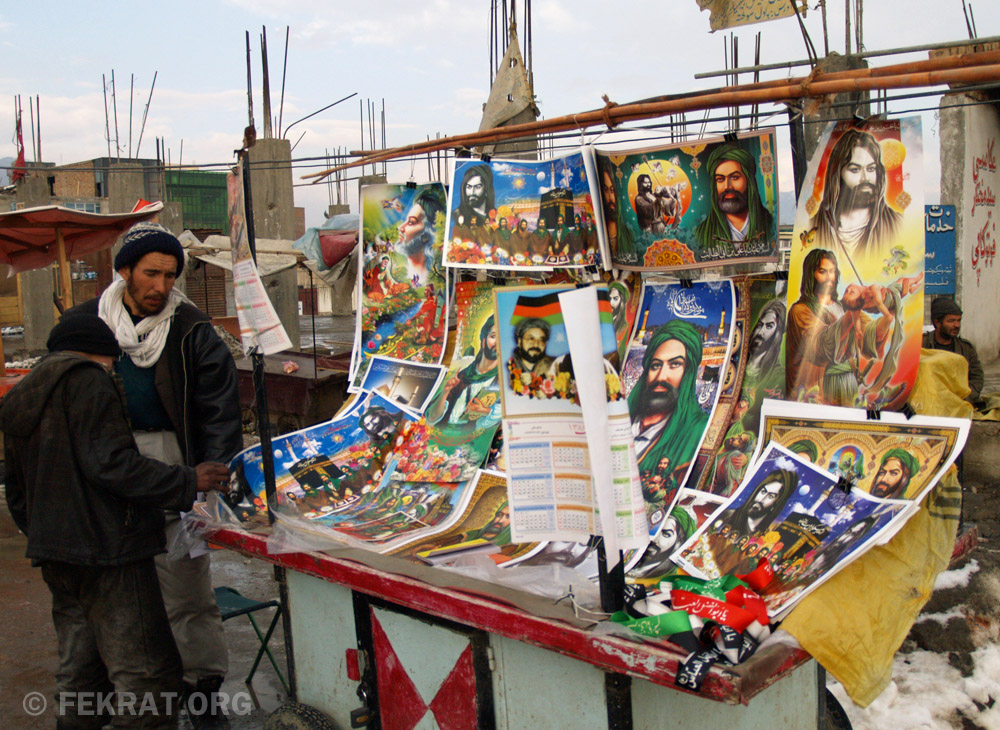
03 Sep 2011 | no comments » people
In central part of Afghanistan, mainly in high lands, you could find people who are facially very close to people in Mongolia. These type people in Afghanistan are called Hazara, according to scholars the term was first used by Mongol military unite of 1,000. Scholars still have debate that how the word Hazara was chosen for a 1,000 unite by Genghis Khan who had never spoken in Farsi/Dari. The word “Hazara” means “thousand” and it’s derived from “Hazar.” According to Afghan historians and some outside resources, Hazaras have been living even before the Mongol invasion in 13th century. Some of them also refer to some historical facts like the Buddha statues in Bamiyan which were blown up by the Taliban in March 2001. Some Afghan historians say that because of some archaic Mongol words used in Hazaragi (a form of Farsi/Dari dialect) some Hazaras may have been Genghis Khan’s soldiers. Historians also add that in any case once Hazaras have been the rulers of Afghanistan. Anyhow, this article on the National Geographic gives a brief and informative definition of Hazara in Afghanistan. About the picture: I took this picture in the winter of 2008, in Daikundi province while a friend and I were making a documentary. Click Image to Enlarge.