Family Breadwinner

04 Nov 2011 | no comments » Children

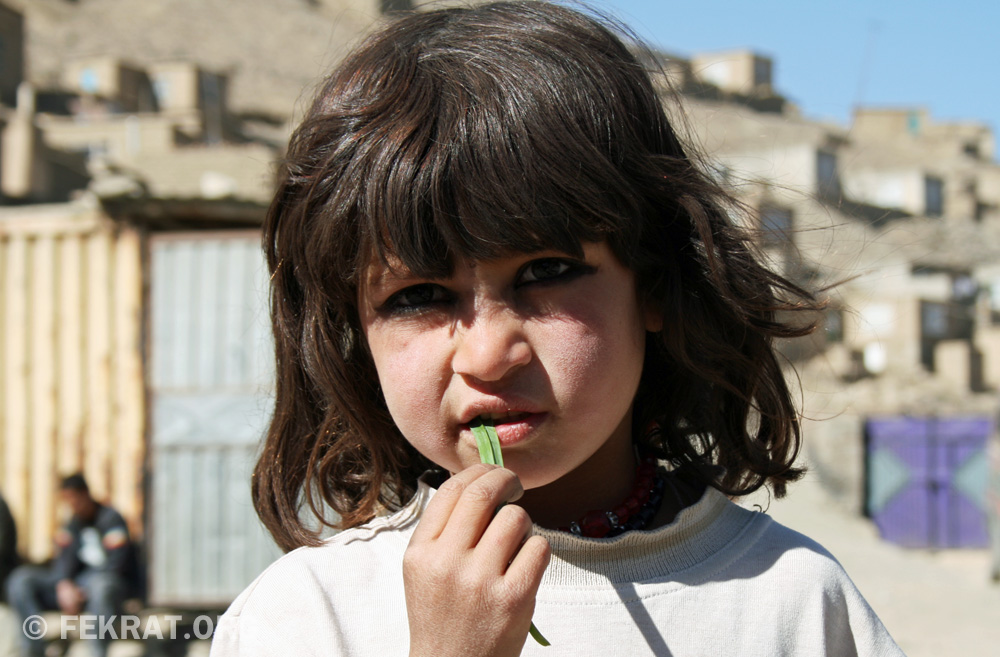
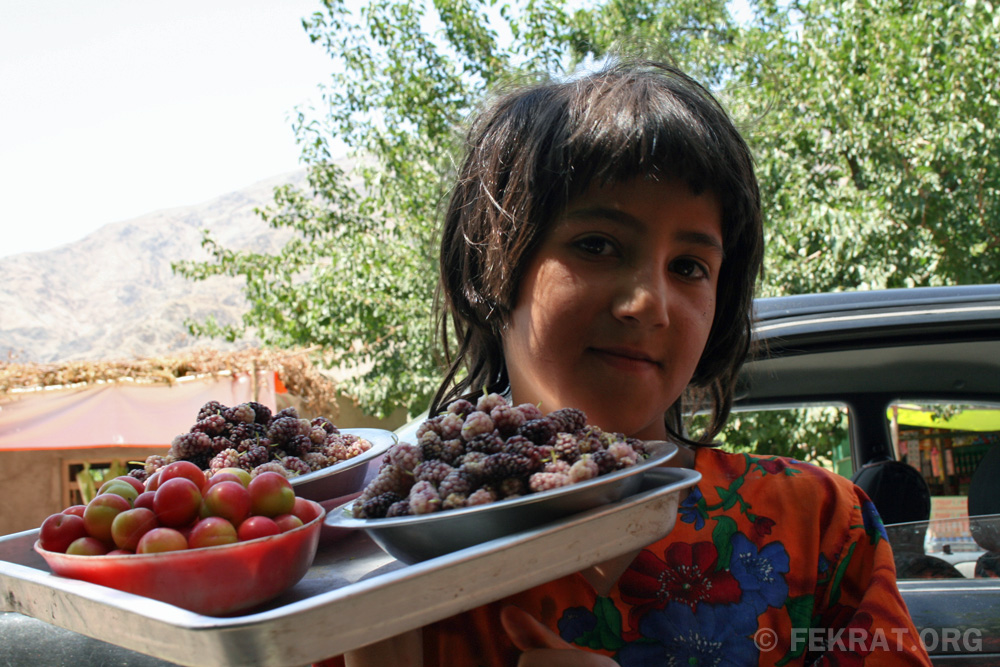
UNICEF says more than 30 percent of children of elementary-school age are working on the streets in Afghanistan and are often their family’s sole breadwinners. That means that millions of children are not going to school. Child labor in Afghanistan is also rampant, with many impoverished families selling their kids into forced labor, sexual exploitation, and early marriage. UN says a total of 1,396 children were killed or maimed (486 killed & 910 maimed) in 2010. This is a 35% rise compared to 2009, mainly owing to an increase in indiscriminate methods of warfare and asymmetric attacks by armed groups.

Click Image to Enlarge.

10 Years Changes in Afghanistan

30 Oct 2011 | no comments » women

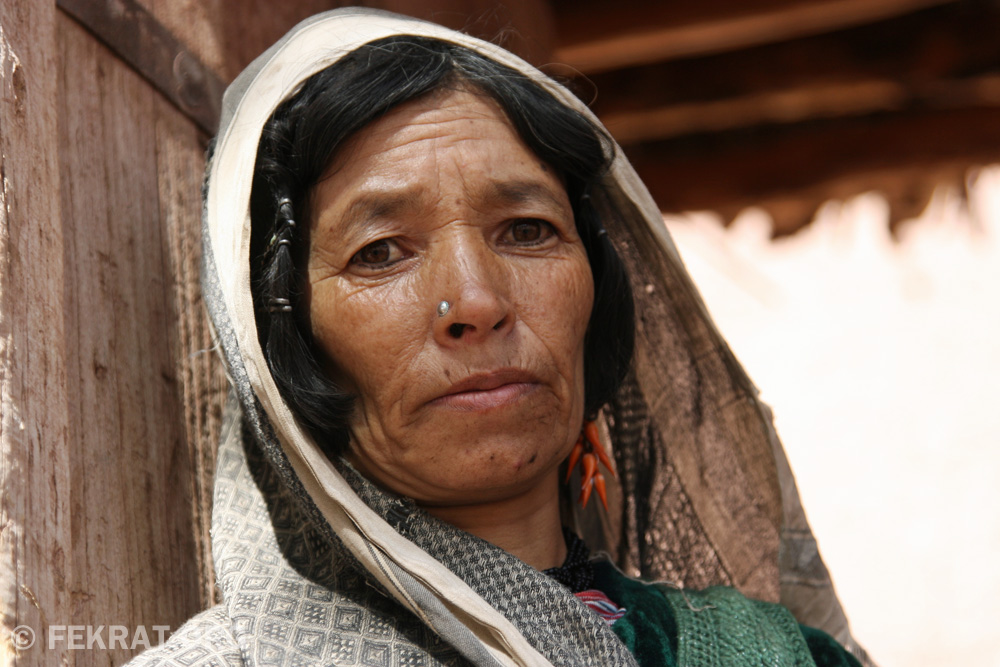
During the Taliban regime women were locked up in at home, they were not allowed to go out for shopping or work in the public places. Since the fall of the Taliban in late 2001, many would agree that the political and cultural position of Afghan women has improved substantially. Today, Afghan women have a predominant presence in the Afghan political domain. According to UN, women represent almost 28% of Afghanistan’s National Parliament, 9% higher than the world’s average of women in parliament.

Click Image to Enlarge.

Ulama, an Invisible Force

18 Oct 2011 | no comments » people

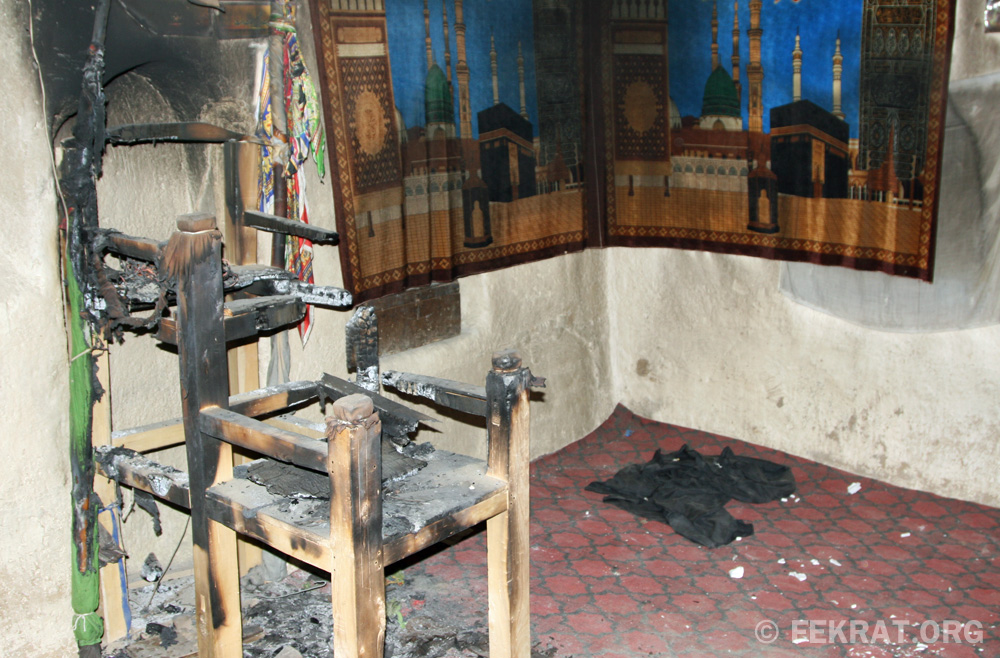
Ulama are the most influential figures in Afghan society. They do not have a visible presence in the government nor in the public domain, however, they are a great tool for governments. Recently, the council of ulama issued a fatwa saying that rejecting food and dying from hunger is against Islam. The next day, Afghan police raided the Afghan female politician tent Semin Barakzai, who was in a hunger strike for more than 12 days. Semin Barakzai, a 30-year-old mother of three and one of nine MPs expelled from the national assembly over vote-rigging claims, had refused to eat until she is reinstated to her parliamentary seat or her case is re-investigated.

In Afghanistan, the ulama keep an important position among the mass. Unlike Iranian ulama who were heavily involved in the Tobacco Movement, the 1979 revolution, and many other national political movements, the Afghan ulama have never been a threat to governments and have never opposed the power of Afghan Amirs and kings. They have always been used as a tool when they were needed. They are disorganized and corrupted but they have only one powerful tool: Sharia. They issue fatwas and even sometimes their fatwas do not stem from Quran or Sharia but they are an invisible force in the Afghan public domain.

Helmand Sunset

08 Oct 2011 | no comments » Helmand

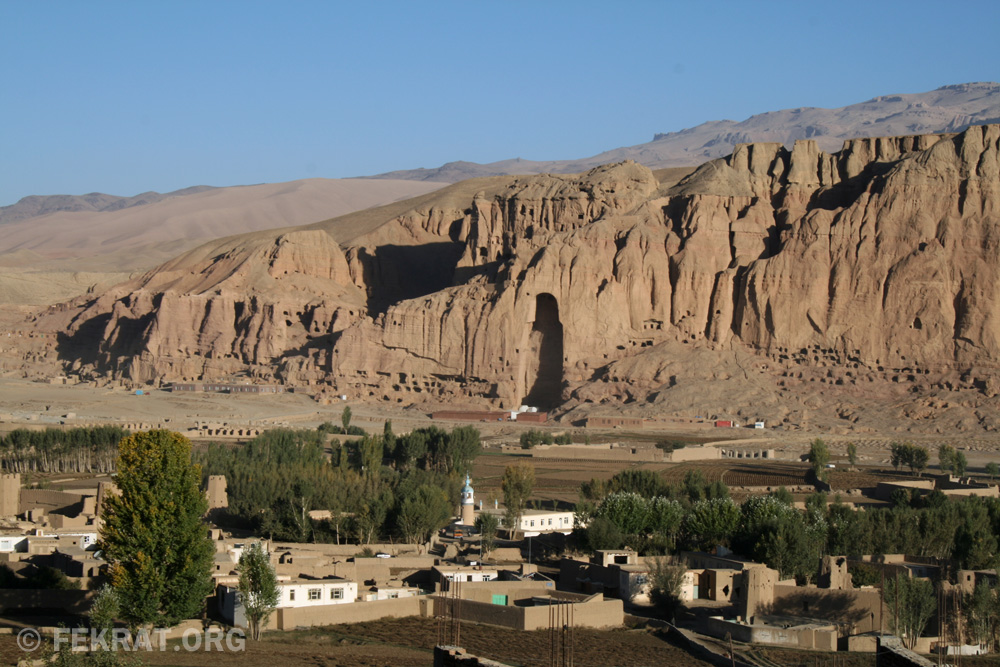
Helmand river is the longest in Afghanistan by the length of 1,150 km. the river rises from Hindu Kush and ends Hamun-i-Helmand in Sistan & Baluchistan province of Iran. One of the two primary arms of the river crosses through Lashkar Gah, imparting an attractive air of a riverside city to it. It makes for a pleasant setting for the citizens of Lashkar Gah to picnic. The river is deep enough at Lashkar Gah to allow for varied water sports, including swimming and boating. Boats are available for hire to the citizens.

Heroin addict

02 Oct 2011 | no comments » Drug

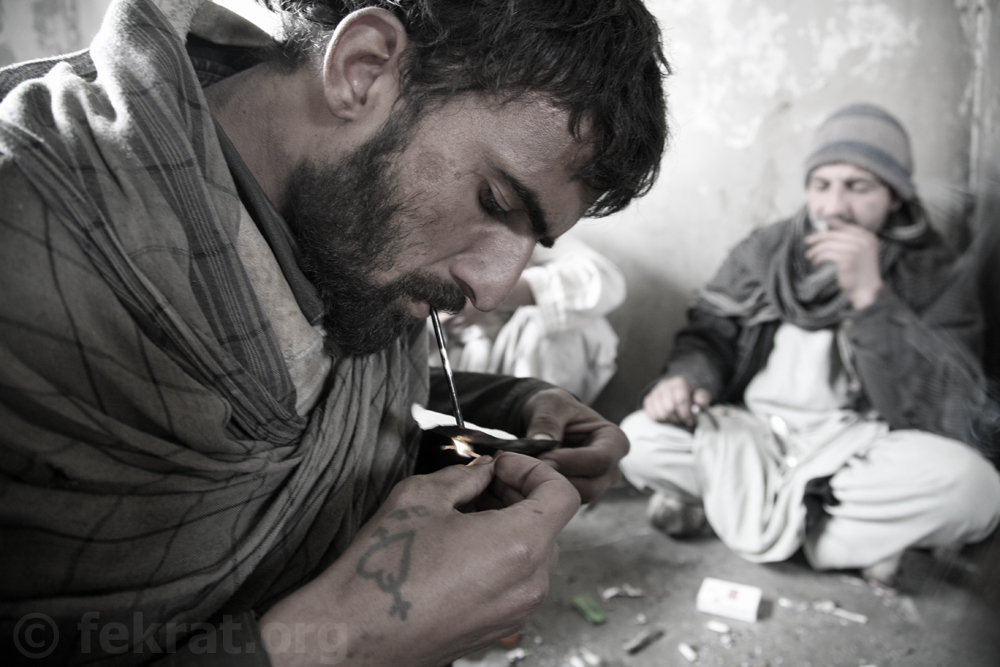
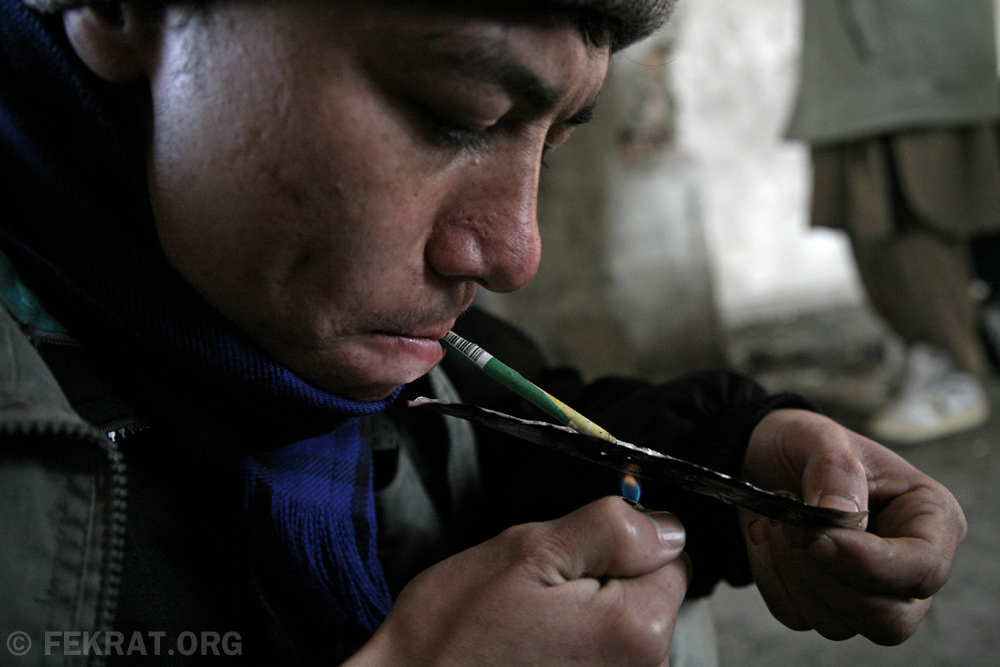
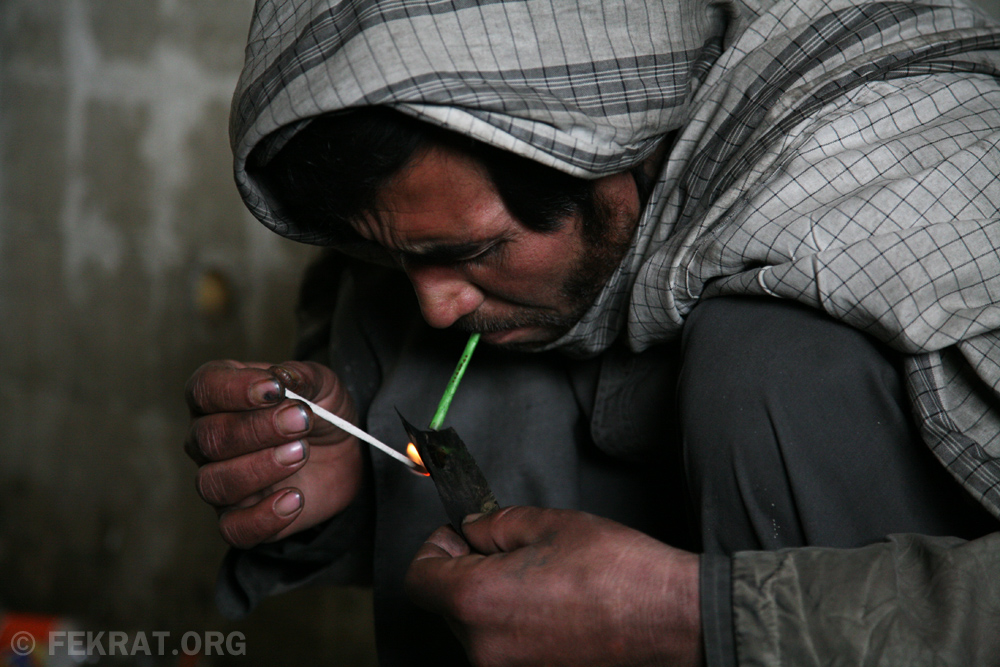
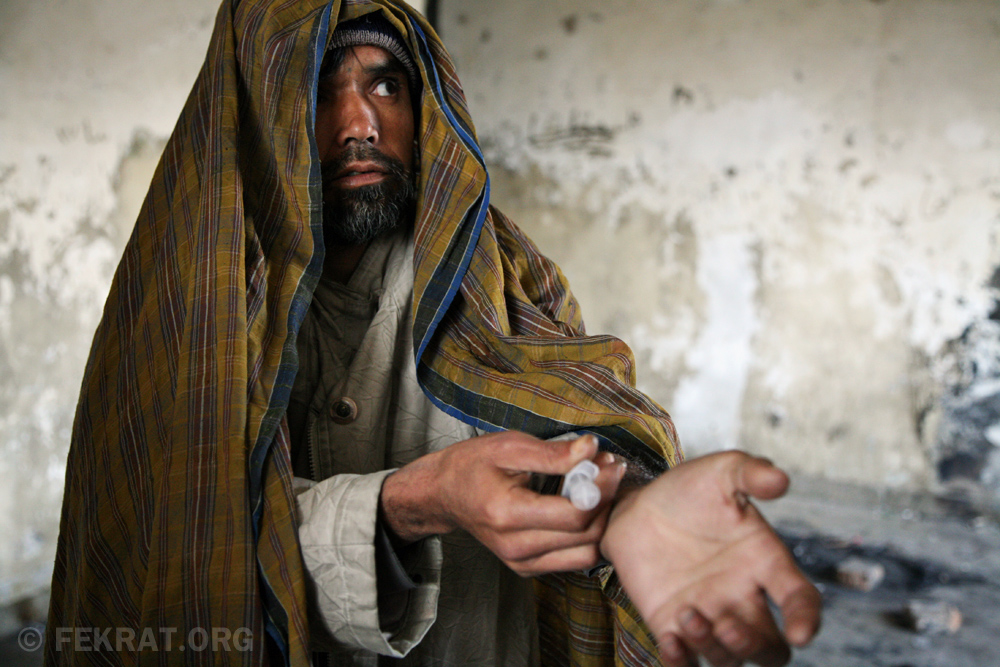
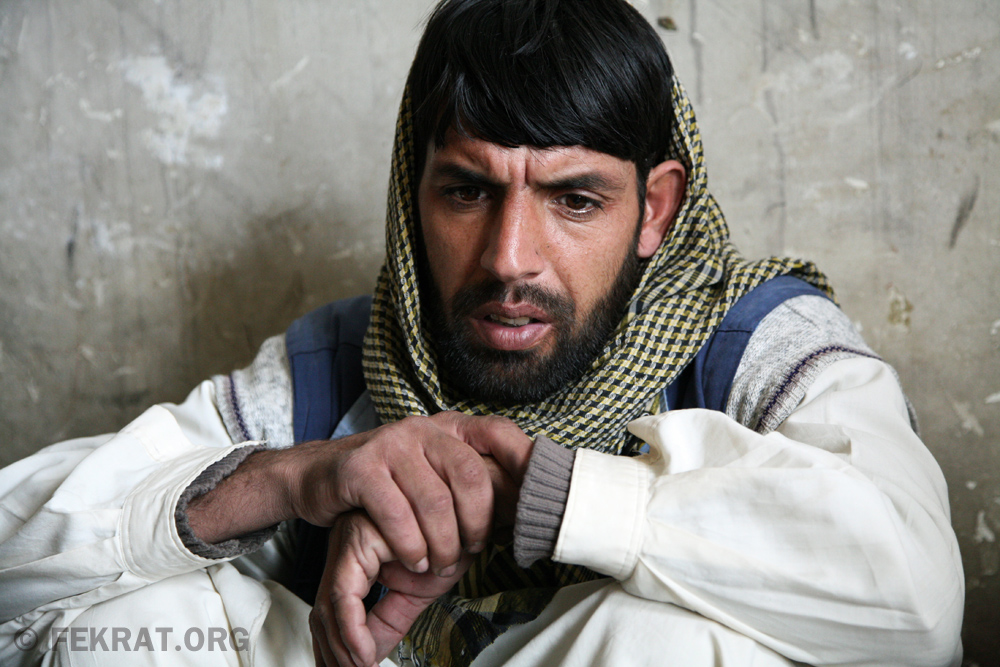
A U.S. Department of State report in 2009 estimated there are two million drug users in the country with at least 50-60,000 drug addicts in Kabul alone. Curbing the cultivation of opium poppies, which are used to make heroin, is the goal of a U.S. program that has doled out $80 million (54 million euros) since 2007. That includes the $38.7 million (26 million euros) the U.S. announced it is giving to 27 of Afghanistan’s 34 provinces that either reduced poppy cultivation by more than 10 percent or became poppy-free this year.

Click Image to Enlarge.